


MESSAGE
‹
›
‹
›
II. Core Advantages
1. Brand-New Assembly, Quality Traceability
2. Professional Hot Break-In Test, Stable Performance
3. Comprehensive Warranty Service, Worry-Free After-Sales
4. Strong Power, Economic and Efficient
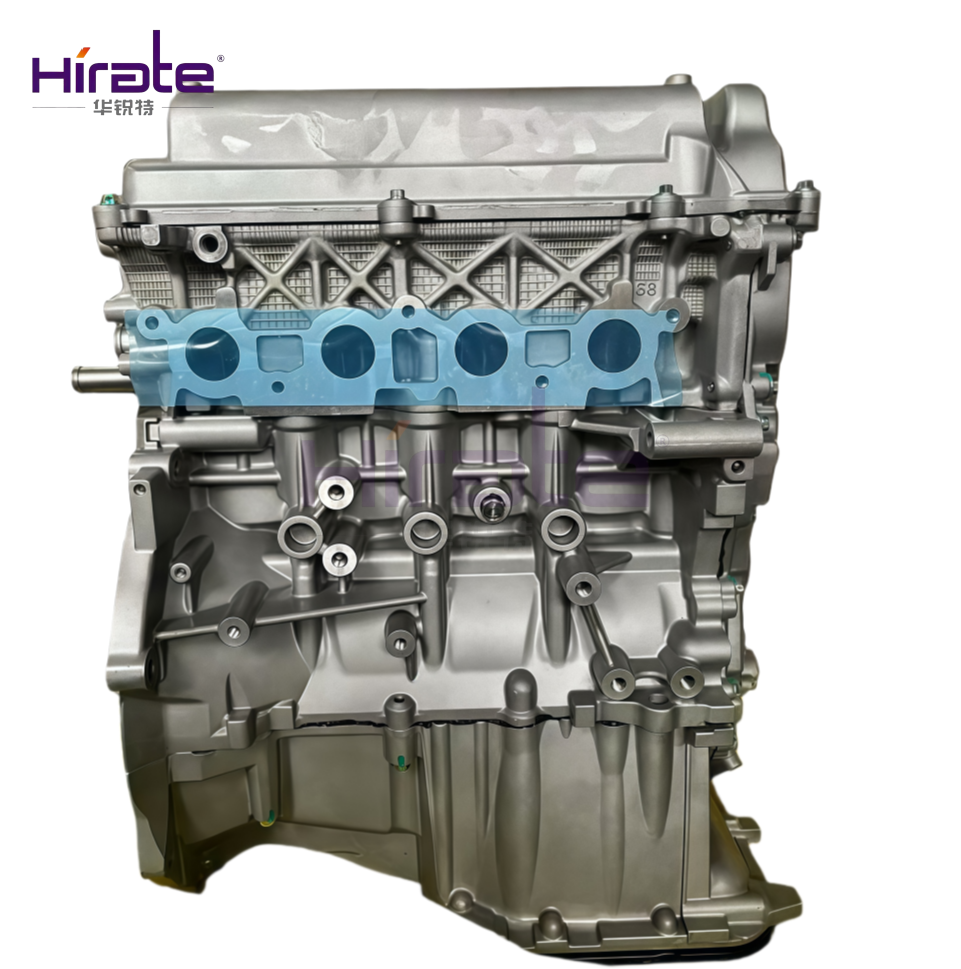
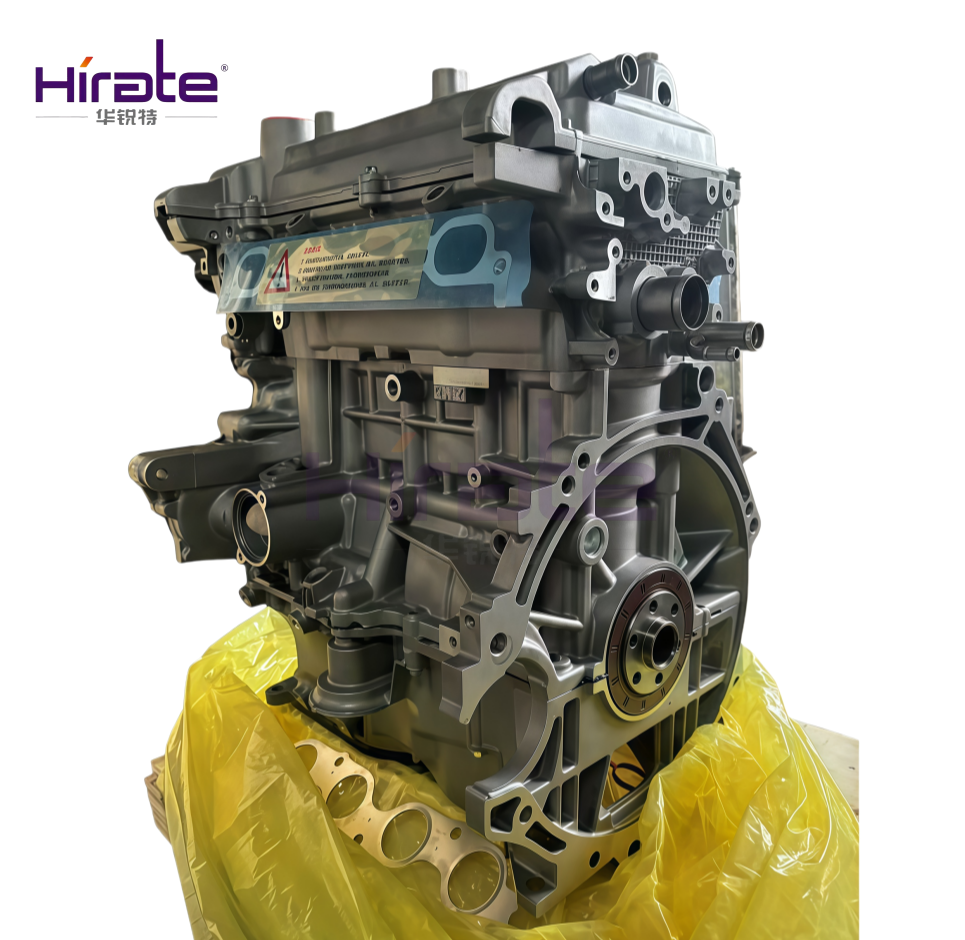
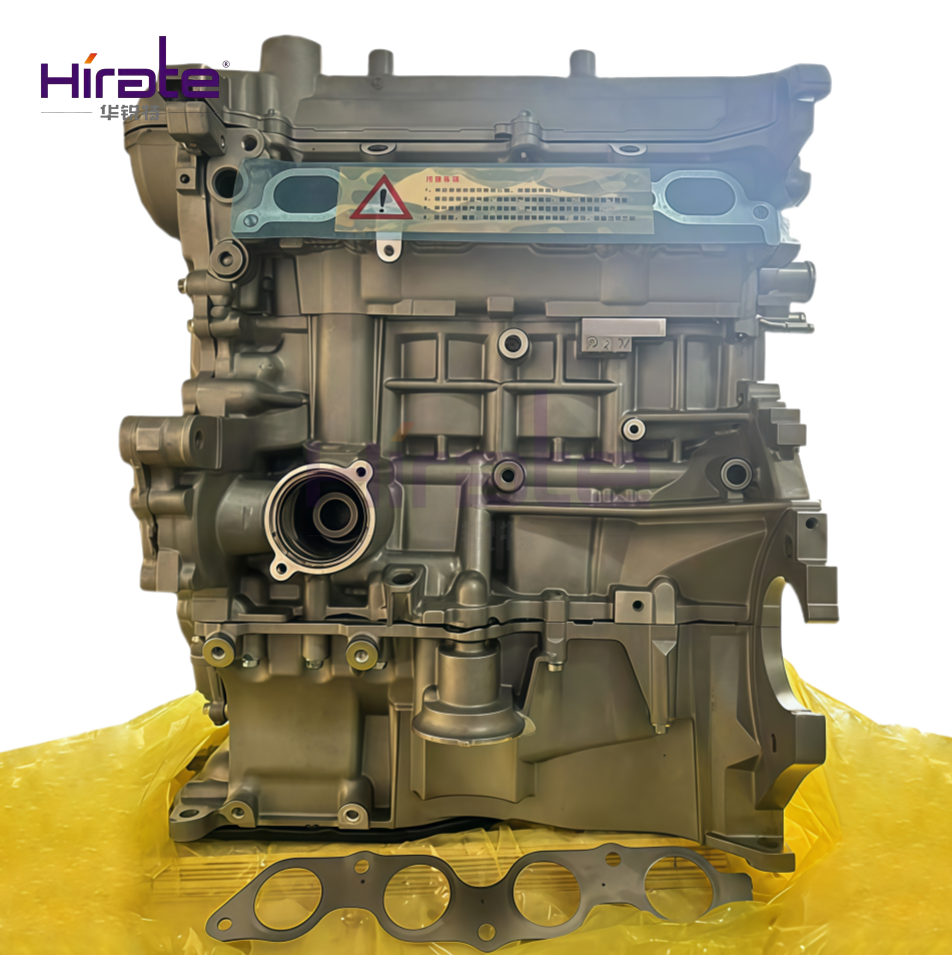
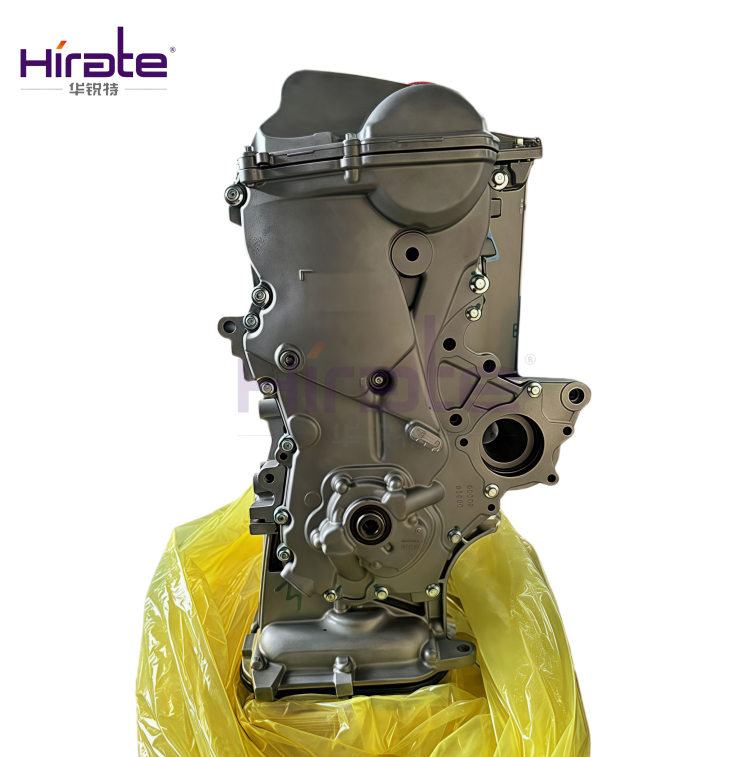
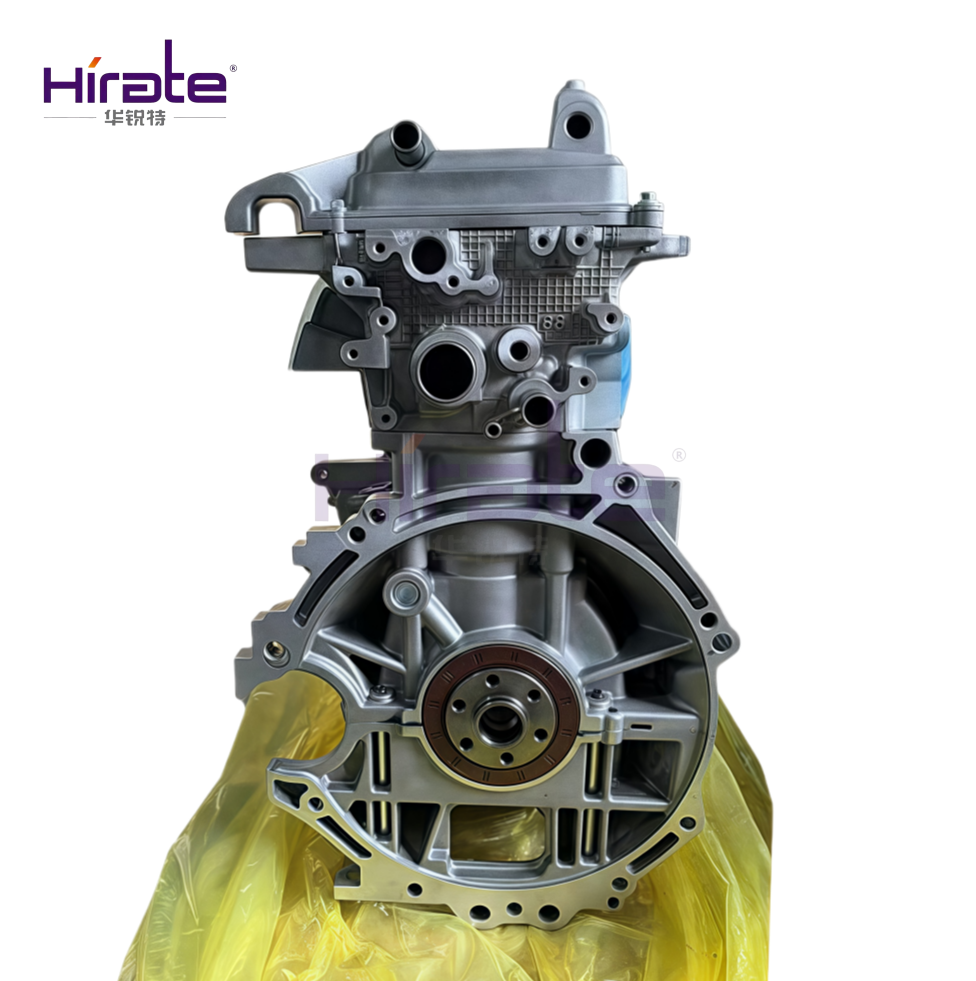
·Brand new
·100%tested
·Provide visual hot running test service
·12 months warranty period
·Thermal test time 80 minutes
·Equipped with free OEM quality oil filter, intake manifold gasket and exhaust manifold gasket
·Strong and protective packaging
·Clients can represent brands

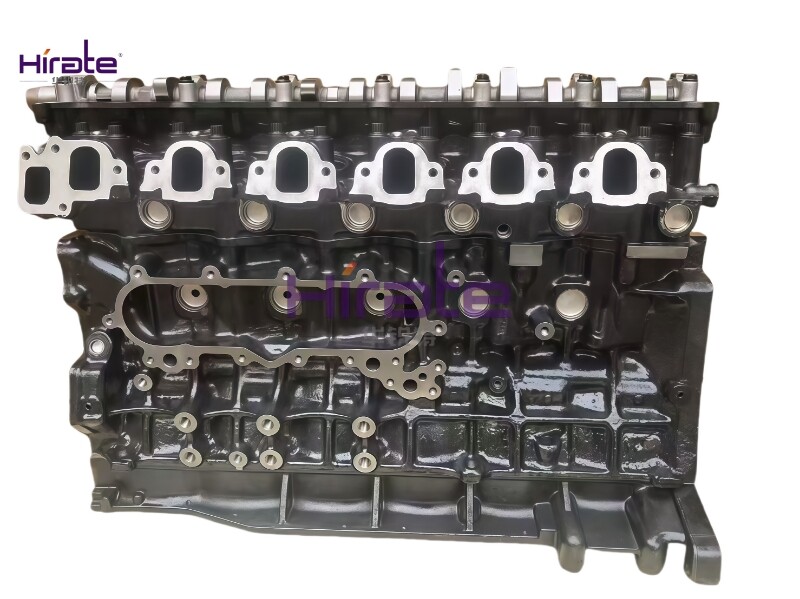
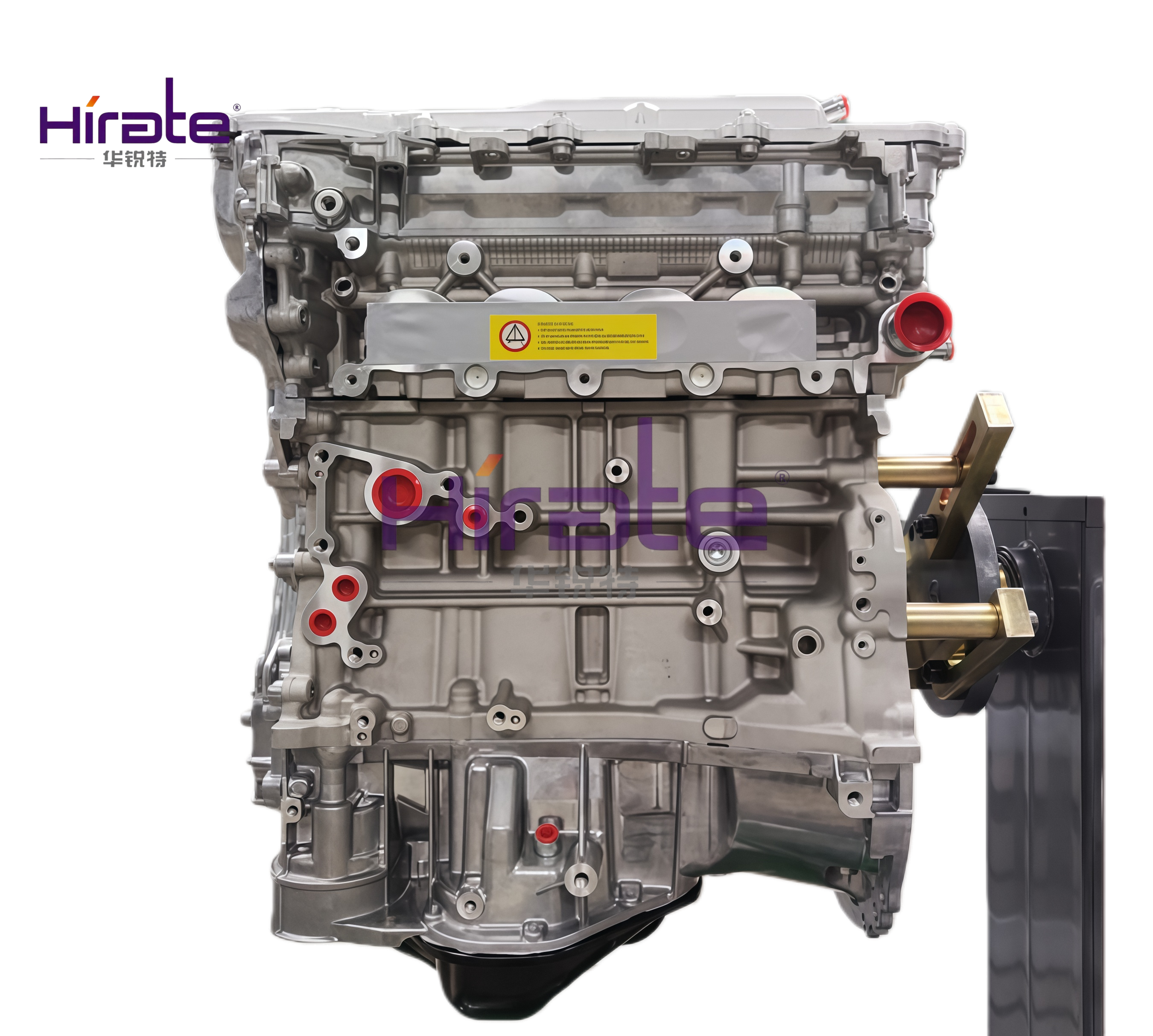
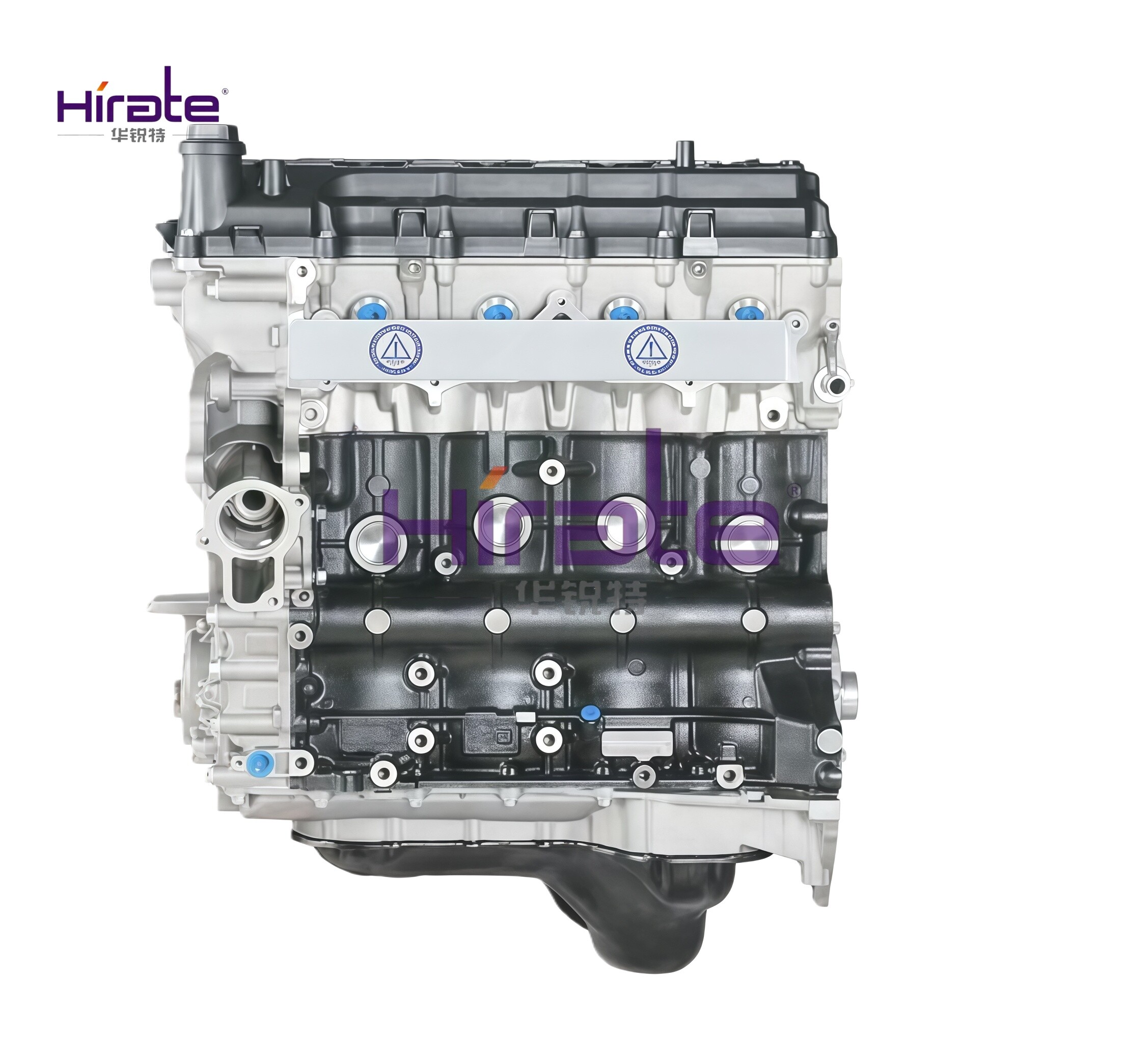
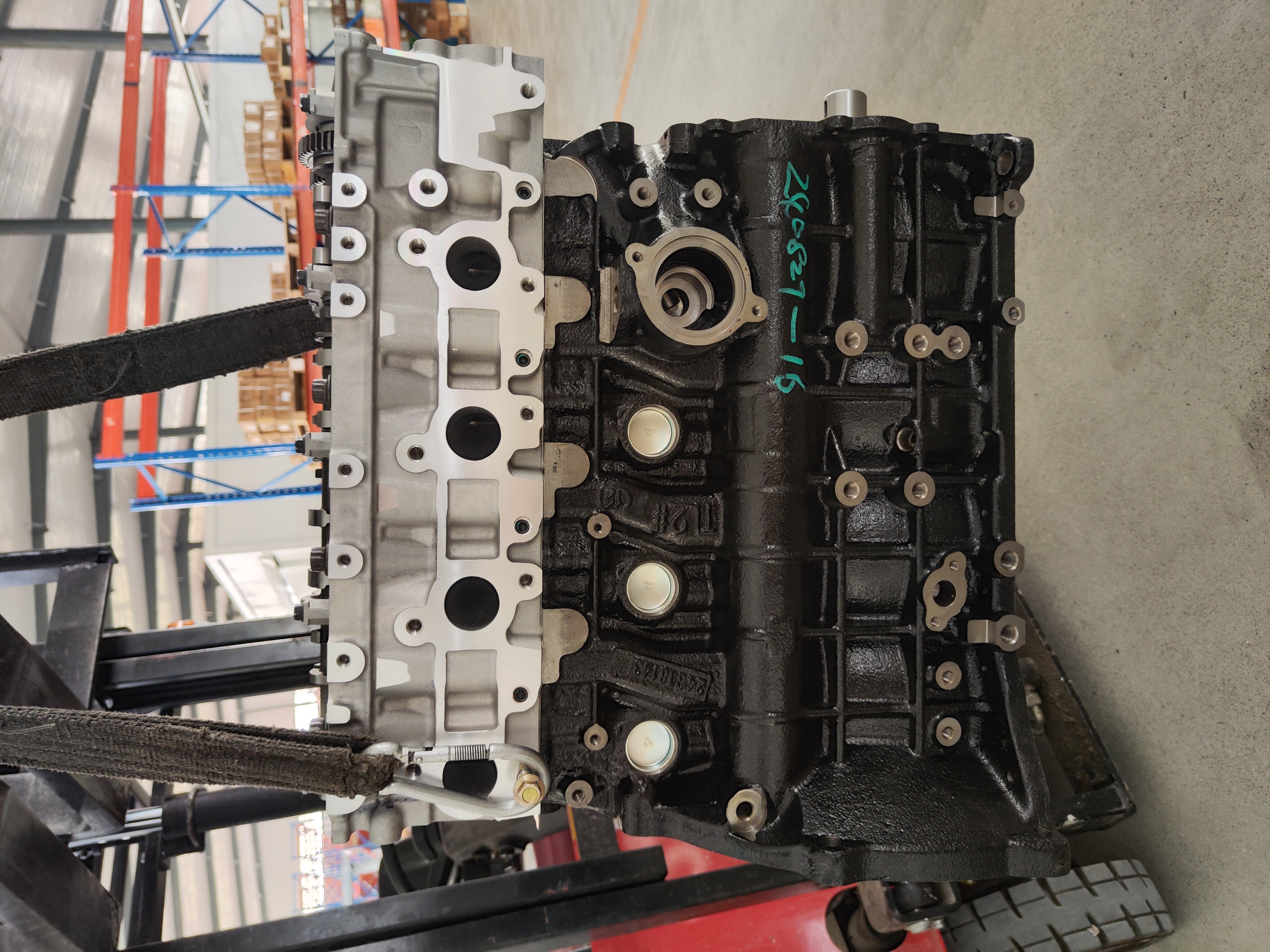
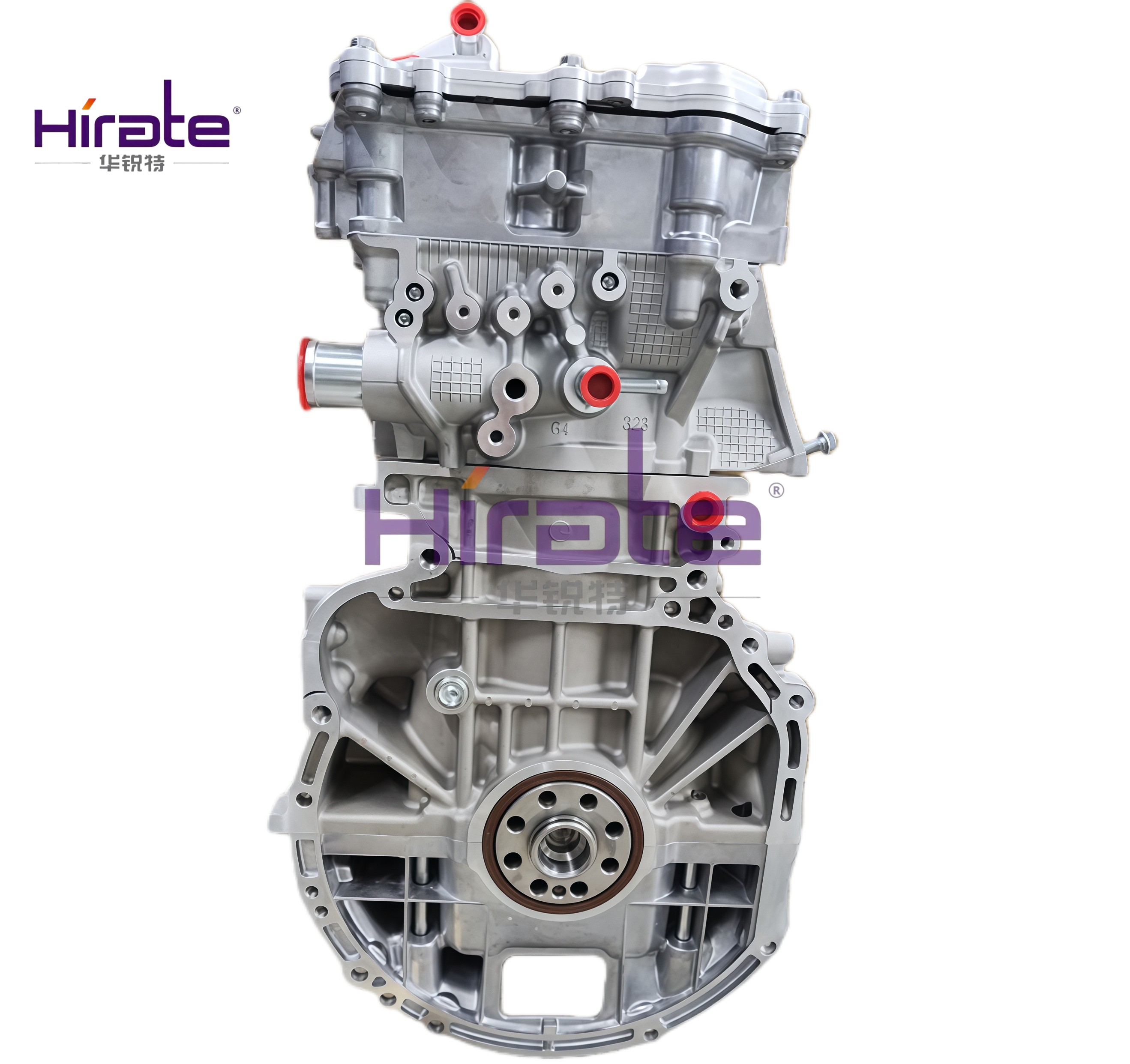
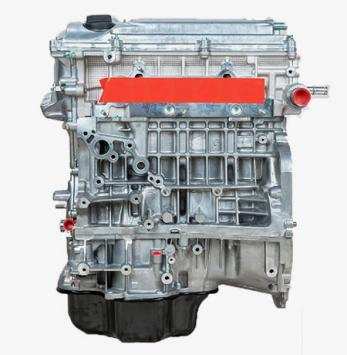
·Focus on Japanese and Korean automobile engines: We are a professional Japanese and Korean automobile engine manufacturer with 18 years of experience, a professional engine technology research and development team. At present, we manufacture engines for Hyundai, Kia, Toyota, Nissan and other Japanese and Korean series cars. The level is already at the top in China
·Use oem quality parts:We have always insisted on using original parts and oem quality parts to assemble the engine. The quality of the parts themselves can ensure the service life of the engine and reduce the failure rate.
·Long time hot running-in test:Each exported engine has been hot-run for more than 80 minutes to allow the engine to achieve sufficient thermal run-in. At the same time, we will conduct a thorough inspection of the engine.
·Provide visual hot running test service:We can provide customers with hot running-in tested videos of each engine they ordered, customers can remotely check the status of the running engine
·Excellent after-sales service and quality assurance: We have a professional after-sales department. When the engine fails, the after-sales department will respond as soon as possible. If the loss is caused by the Engine quality, we will propose compensation measures and protect customers to the greatest extent possible rights and interests
Products Recommended
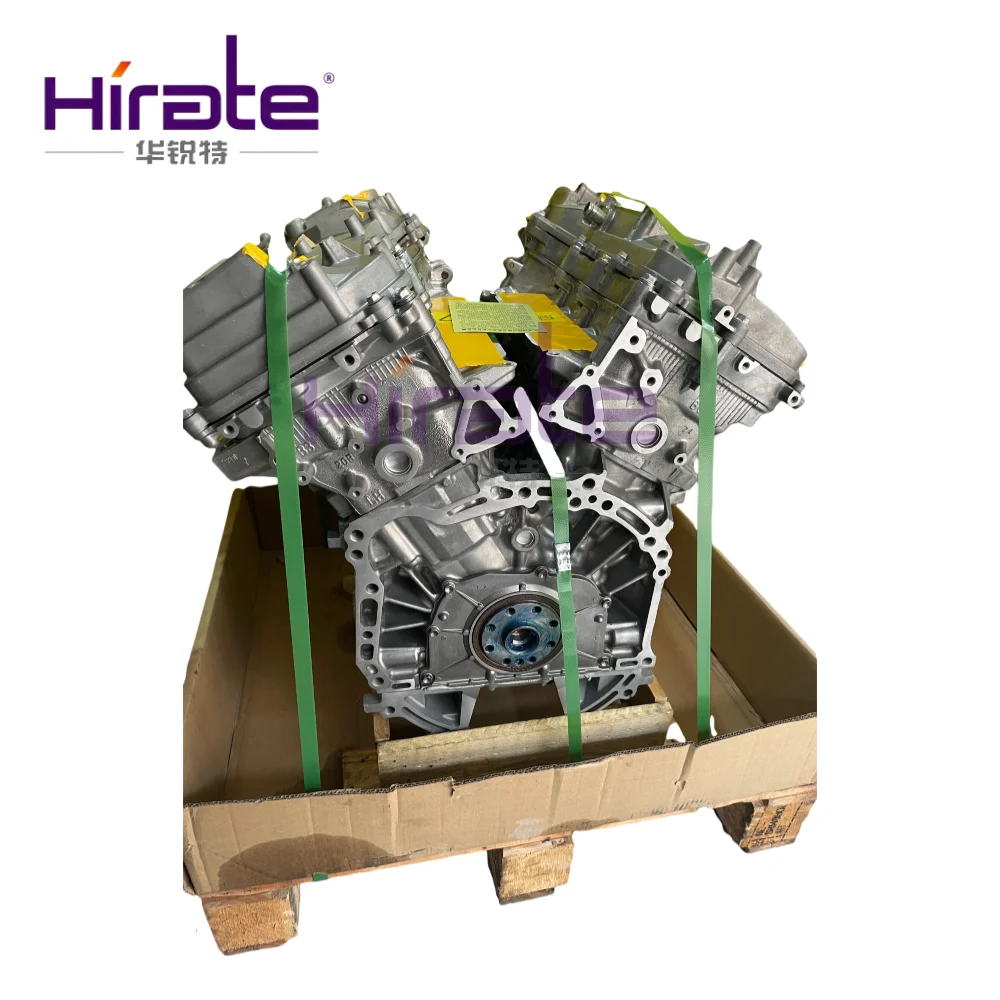
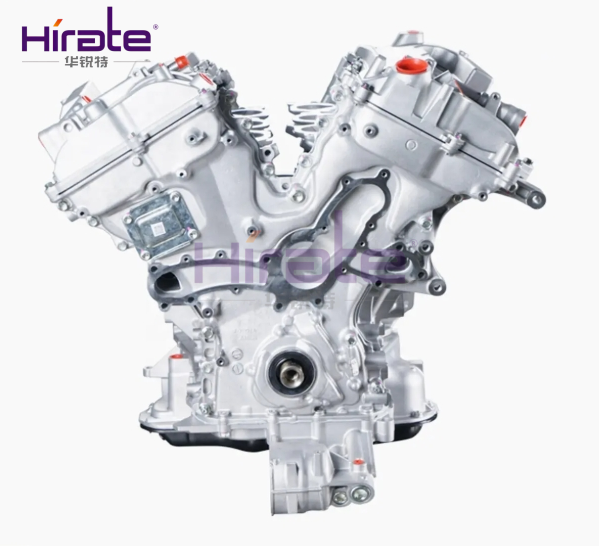
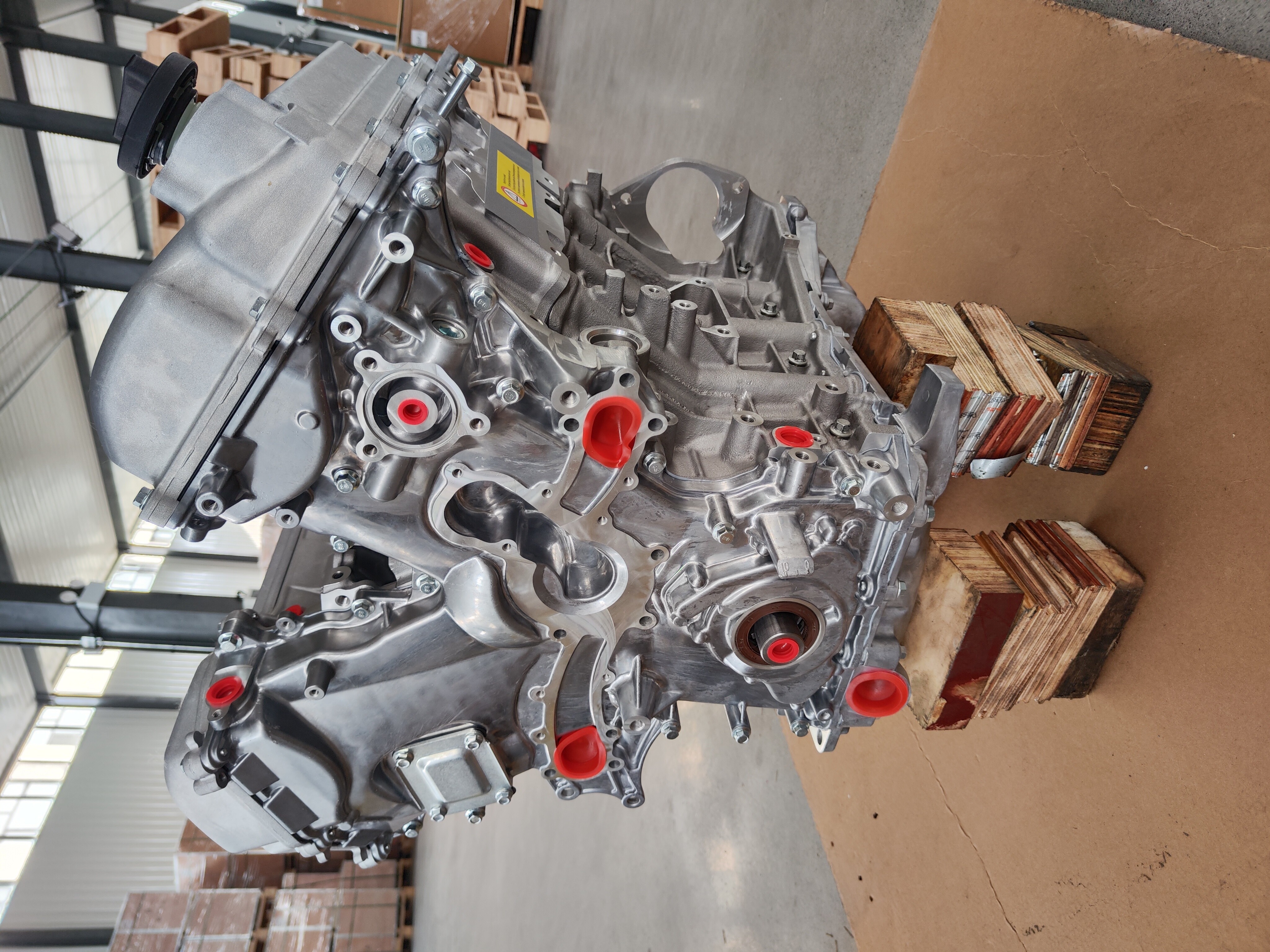
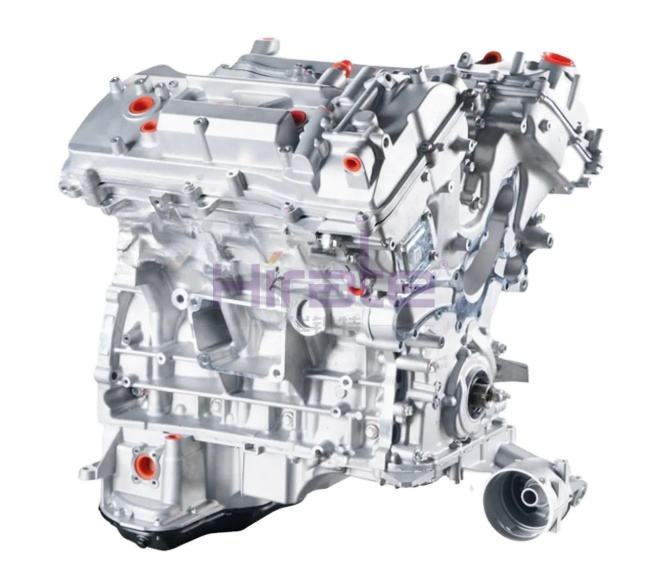
 2GR
2GR 5GR 3GR
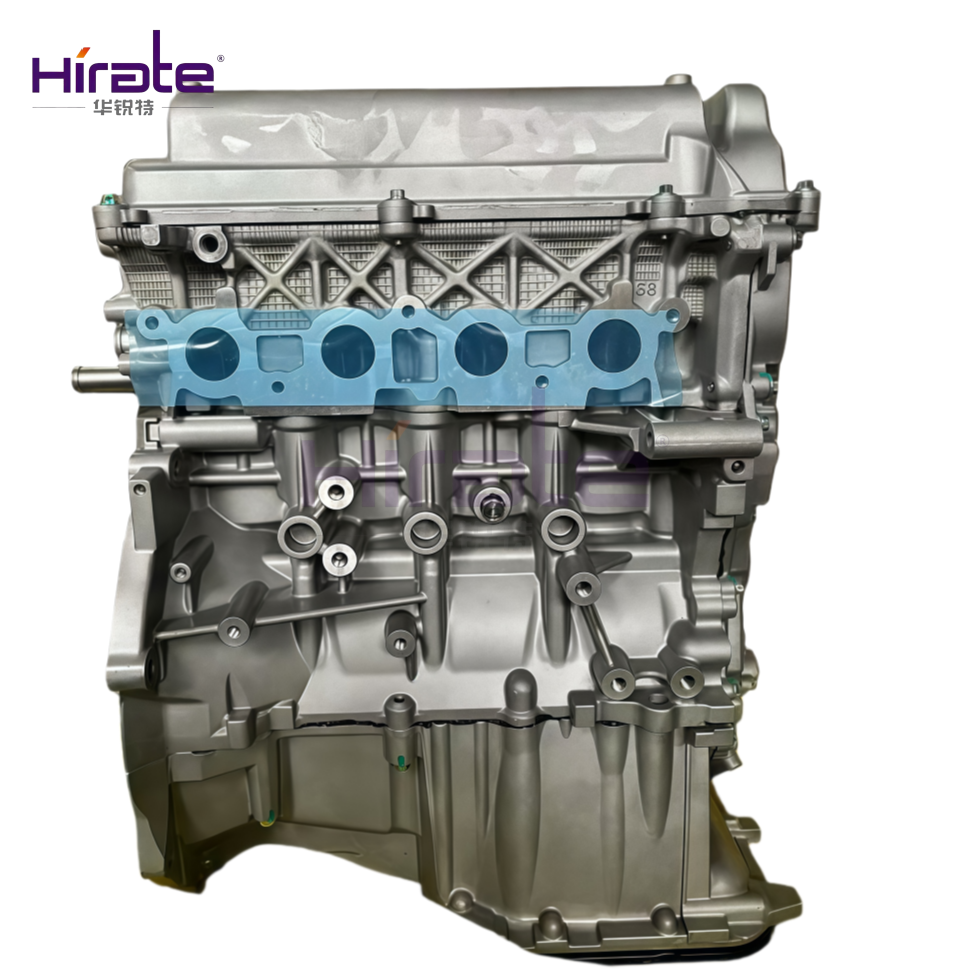
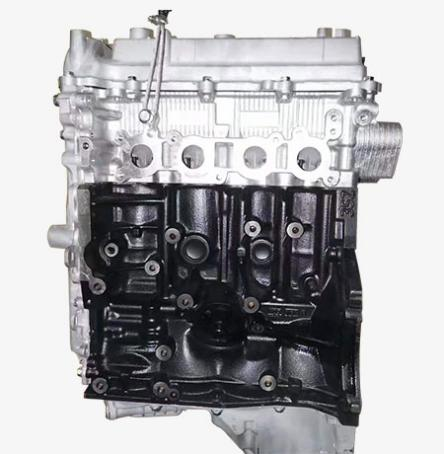
 High Quality 1NZ 2NZ-FE 1.3L Del Motor Assembly Long Block for Toyota Yaris Vios Platz Porte Wholesale
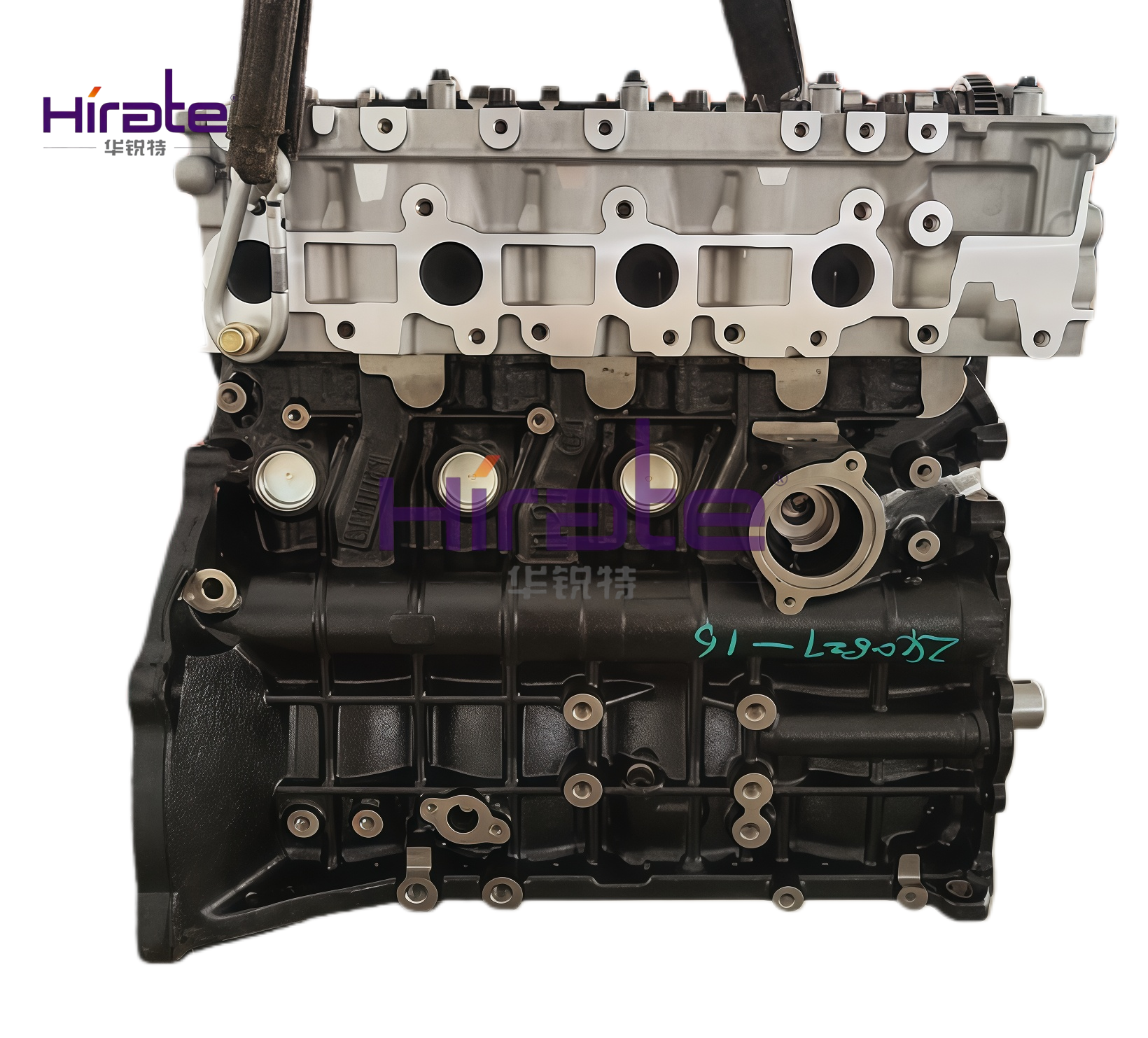
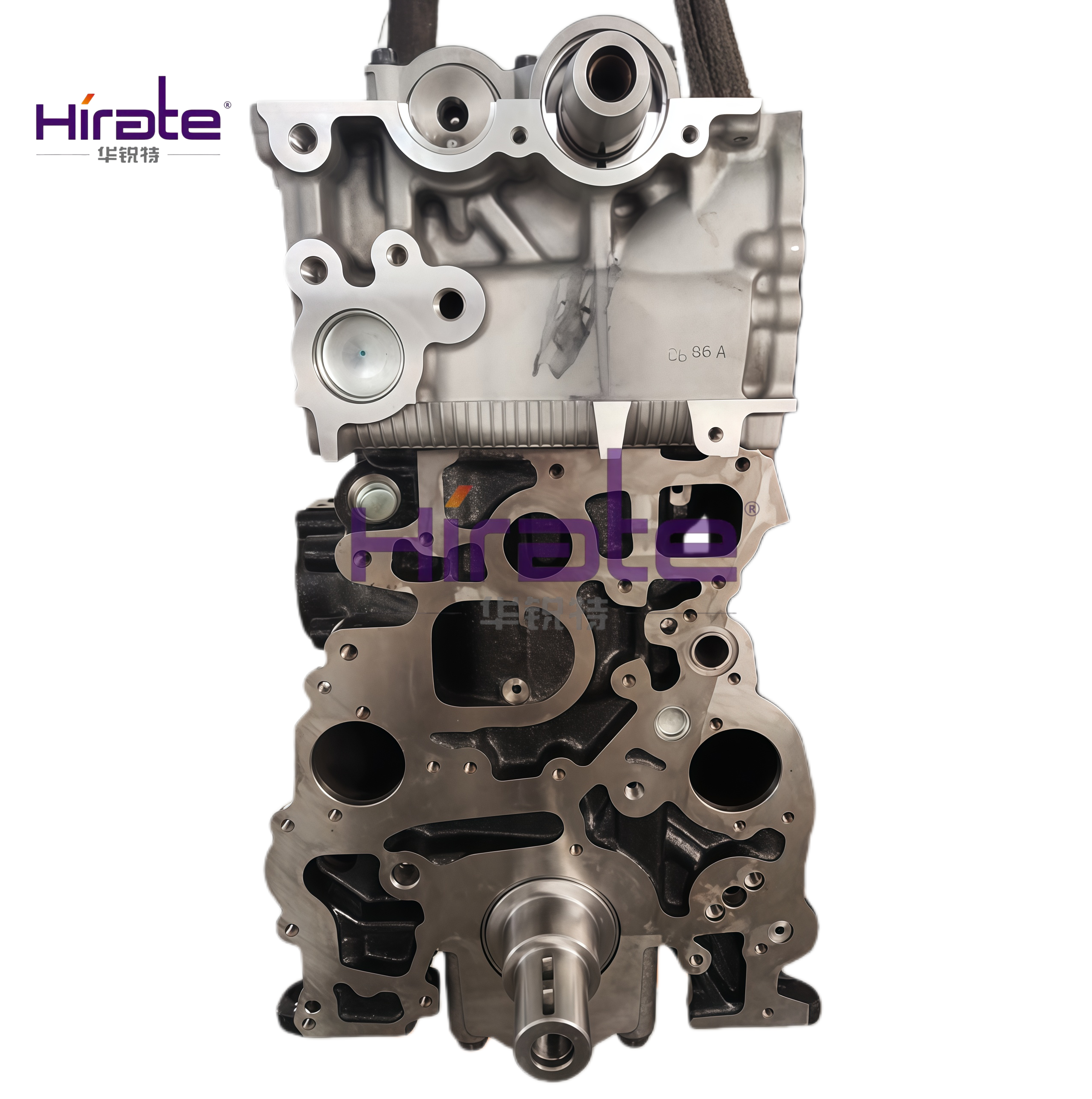
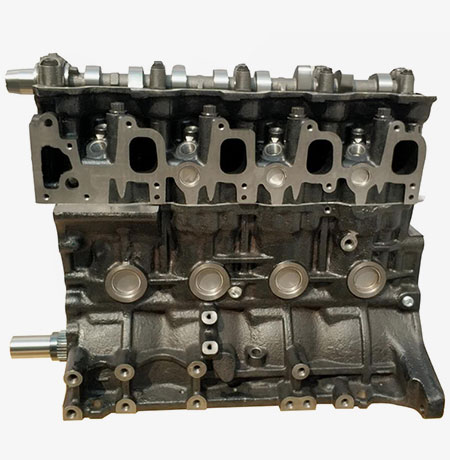
 For Toyota Engine 1KD 2KD Diesel Motor Toyota 2500CC 2KD 2KD-FTV Turbo Engine Long Block 2KD Bare Engine Block
 Factory Wholesale Hot Selling Brand New High Quality Engine Auto Parts 1HD Engine Long Block 1HD OEM Standard for Toyota
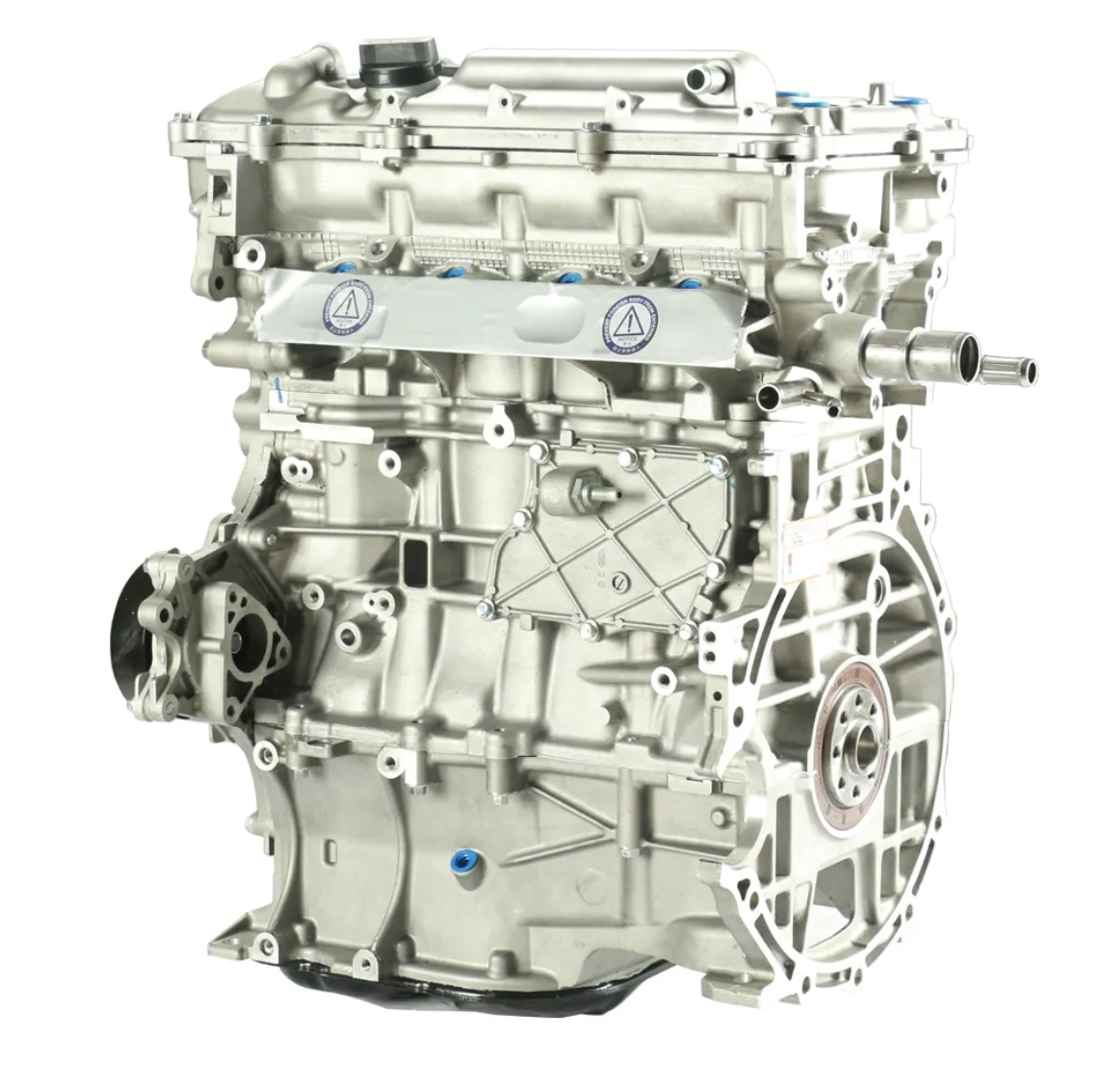
 1ARFE 1AR Engine 1AR-FE Complete Engine Assembly 1AR Long Block 1AR 2.7L for TOYOTA Highlander 2.7L Venza AGV10/15
 Brand New 2TR 2tr-fe Engine 2.7L Gasoline Car Engine for Toyota Prado / Hiace / Land Cruiser Costa Runner Coaster Hilux
 2TR
2TR 1KD 2KD
 1GR
1GR 1NZ 2NZ-FE
 1KD 2KD
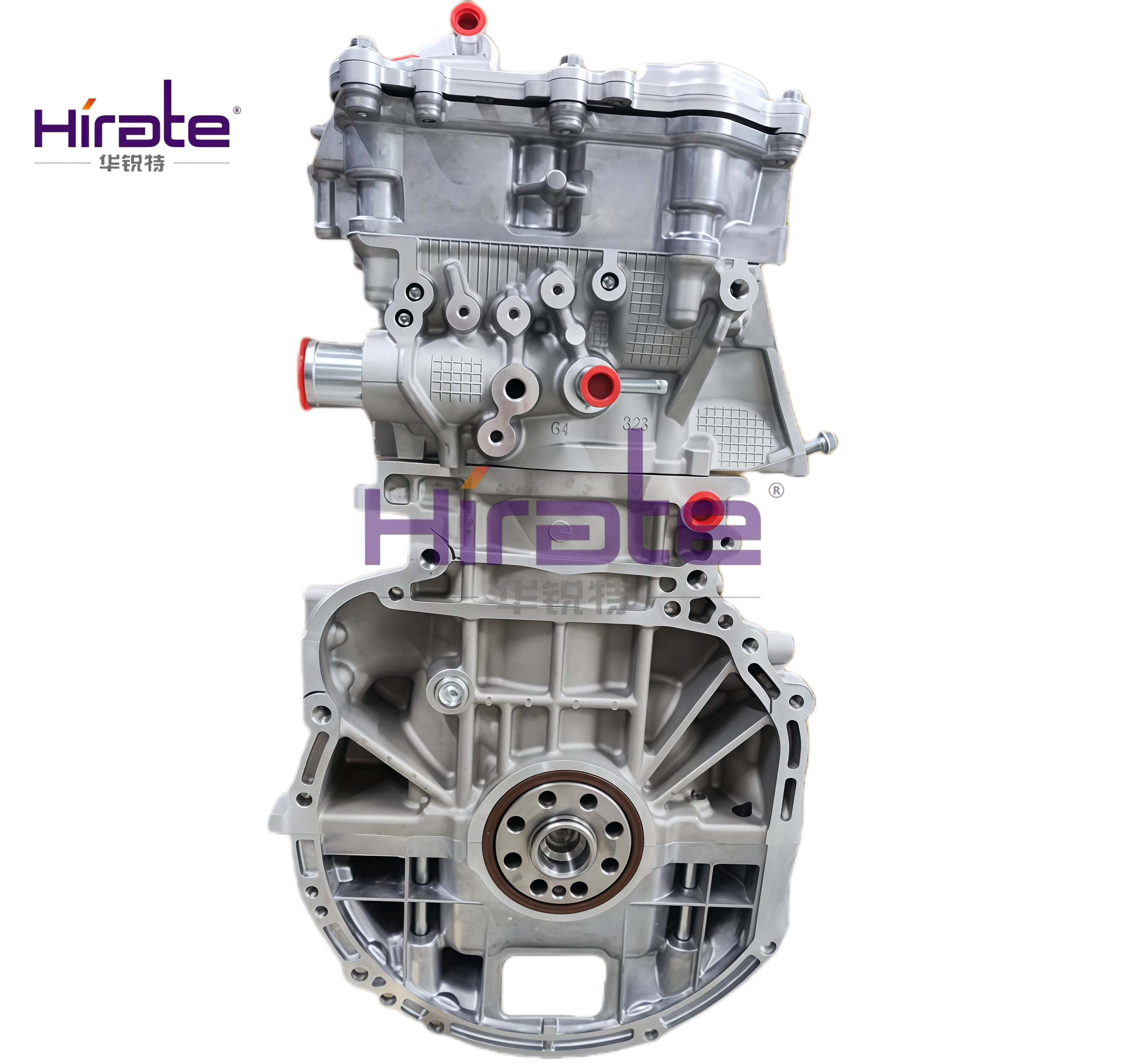
 1AR 2AR 5AR 6AR 8AR
 5GR 3GR
 2ZR
2ZR 1ARFE 1AR Engine 1AR-FE Complete Engine Assembly 1AR Long Block 1AR 2.7L for TOYOTA Highlander 2.7L Venza AGV10/15
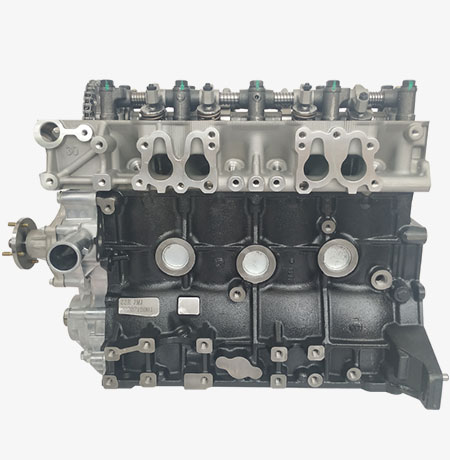
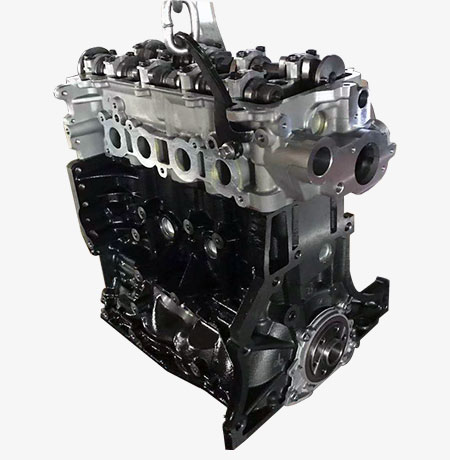
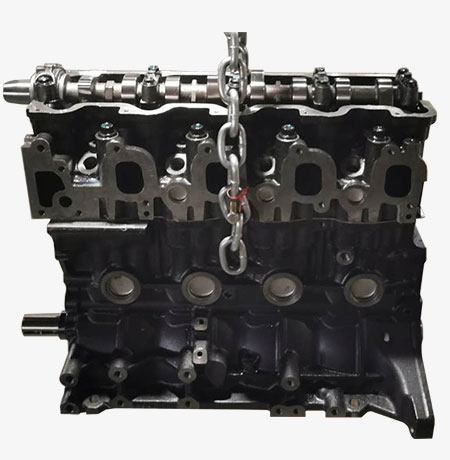
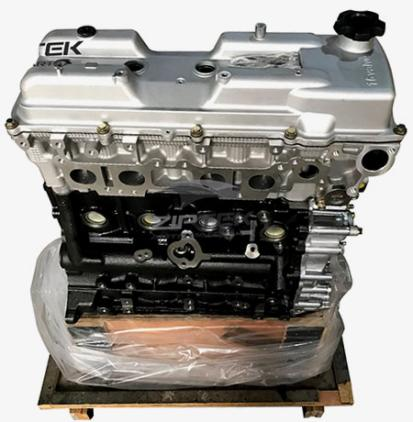
 2.4L 22RE Del Motor Parts EFI 22R Engine For Toyota Hilux Land Cruiser Pickup 4Runner
 1.3L K3-DE K3-VE Engine For Toyota Rush Ractis Passo Avanza Daihatsu Sirion Materia YRV Copen
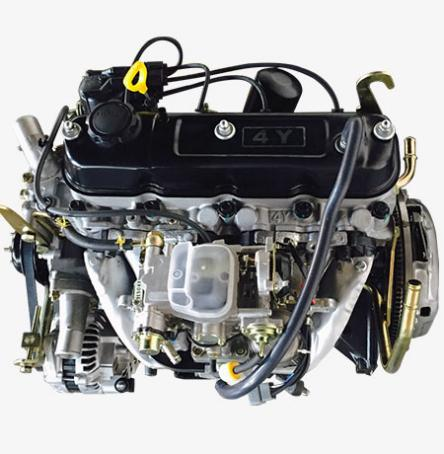
 2.2L 491Q EFi Carburetor Motor 4Y Complete Engine For Toyota Hilux 4Runner Hiace Van
 Motor 5LE Moteur 3.0L Diesel 5L Engine For Toyota Hiace Hilux Land Cruiser Prado Fortuner
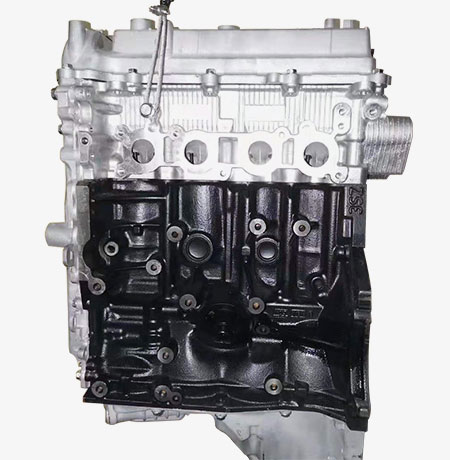
 VVTi 1.5L 3SZ-VE 3SZ Engine For Toyota Vios Yaris Daihatsu Terios Xenia
 1.5L 3SZ-VE 3SZ Engine For Toyota Vios Yaris Daihatsu Terios Xenia
 2.7L 3TR 3TR-FE Engine Long Block For Toyota Coaster Bus
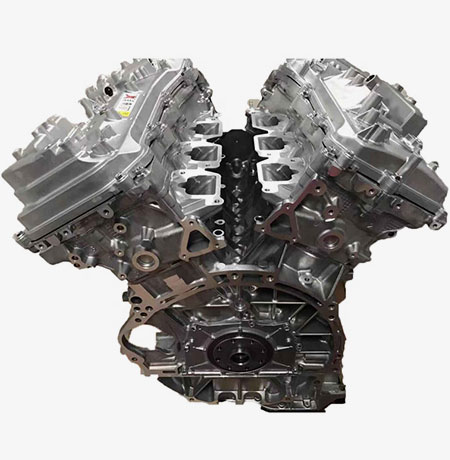
 4.0L V6 1GR Engine 1GR-FE For Toyota Fortuner Tundra Tacoma FJ Cruiser Land Cruiser 200
 2.4L 2L2 2LTE 2LT Engine For Toyota Crown Chaser Mark II Cresta Land Cruiser Hilux
 2.4L 2AZ-FE 2AZ Engine For Toyota Camry Corolla RAV4 Highlander Harrier Avensis
Please give us a message